Osteopath for Pregnancy Problems in London

Written by Stephen Sacks – Medically reviewed by Stephen Sacks – Last updated March 25, 2026


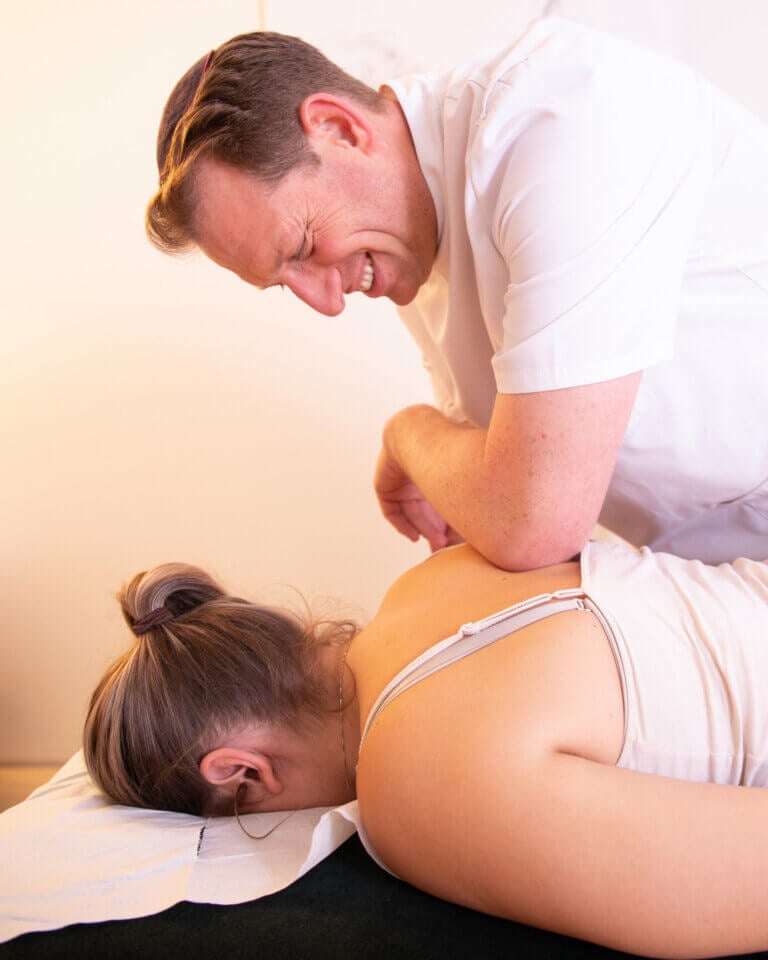
I do not profess to be an expert in all fields of women’s health, but I am very confident treating symphysis pubis dysfunction (SPD) and pelvic pain, as well as any other pain related to pregnancy. Pregnancy is physiological, not pathological, and any physical assistance is much appreciated. This includes structural osteopathy as well as cranial osteopathy.

I also find evidence-based acupuncture extremely helpful in women’s health. This includes being trained in acupuncture for treating issues such as fertility, polycystic ovary syndrome (PCOS), endometriosis, menopause, urinary incontinence and others. I use the Stener-Victorin protocol, which has been widely published and shown to bring significant results.

But there are people who solely focus on these areas. If you want acupuncture specifically for this, there are those that specialise.

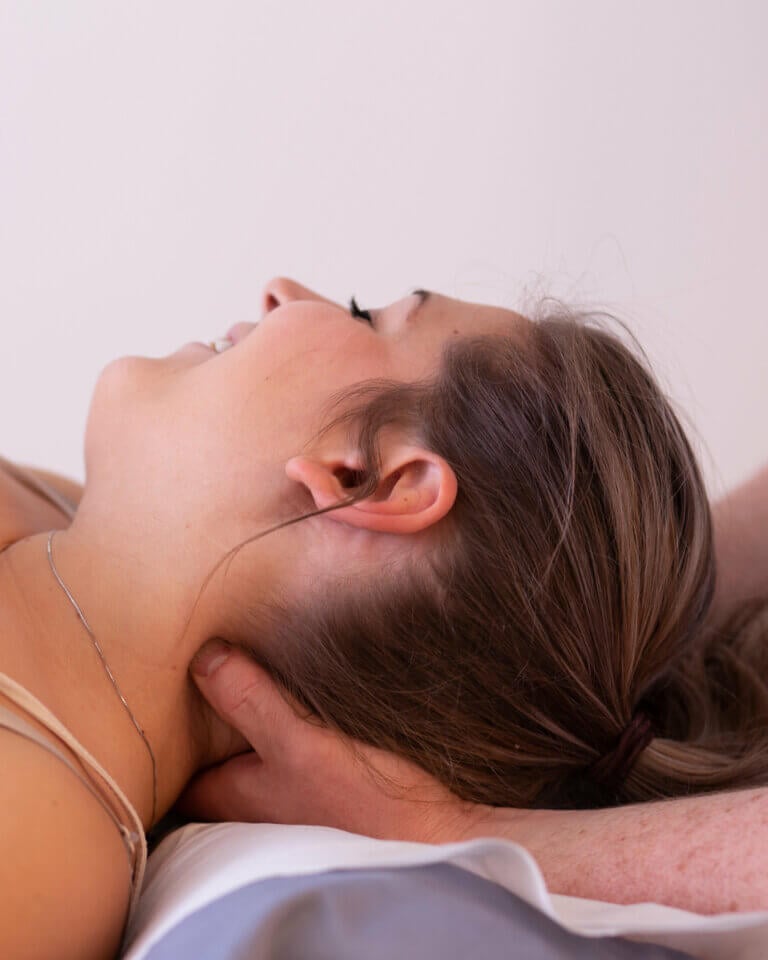
However, I do find it helpful to use these techniques if, for example, a woman comes to me with neck pain and tells me she is also trying to get pregnant. Whilst I am working on her neck and not doing anything around her abdomen or legs, I may suggest that it is a great opportunity to double up and stick a few needles in. Back pain with endometriosis? Needle ’em. Shoulder pain but also have PCOS? I’ll do both. Why not? It can’t hurt and may well help. I can almost guarantee the shoulder or neck will get better and if the needles help the rest, that’s great!

Add a little cranial osteopathy to the area too and, with some lifestyle advice, it can only help!

The only woman who has sworn that my professional techniques helped lead to pregnancy is my wife. (That is not on offer!). But there are some patients who have become pregnant and gently wondered… could it have played a role…?
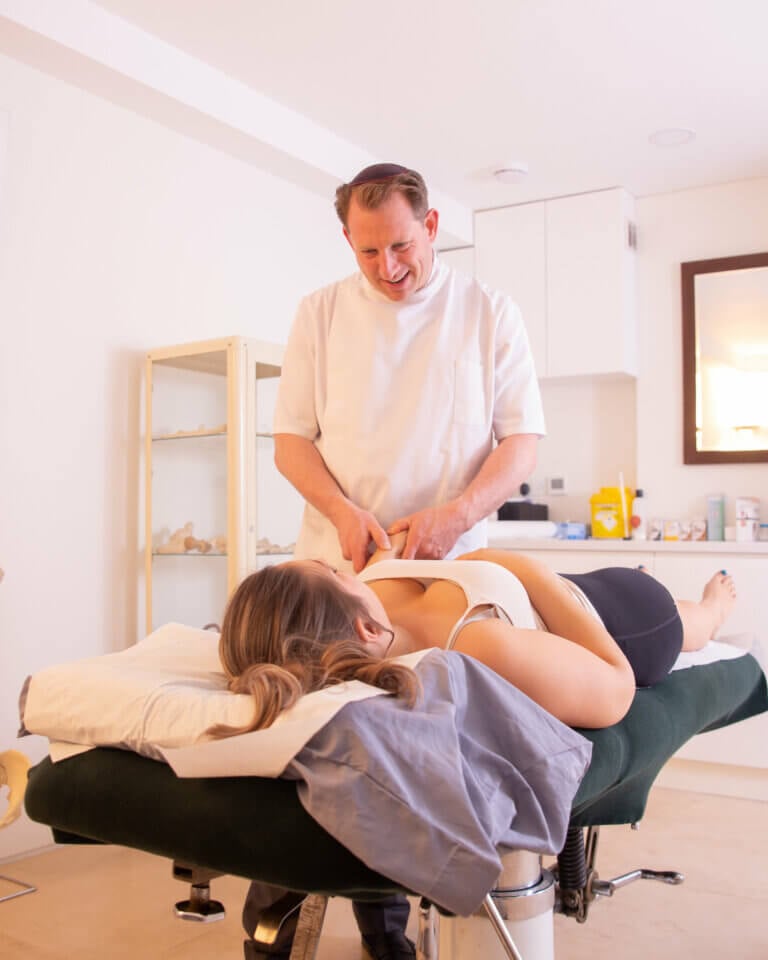
Please feel free to contact me in Harley Street or Highgate to discuss your pregnancy problems.

Osteopathy for Pregnancy Problems — FAQs

Osteopathy is a gentle, hands-on approach that focuses on improving how the body’s joints, muscles, and connective tissues function.

During pregnancy, an osteopath like Stephen Sacks works to reduce strain on the body as it adapts to changes in posture, weight distribution, and hormone levels. Treatment can help ease discomfort, improve mobility, and support the body through each stage of pregnancy.

Yes — osteopathy is generally considered safe during pregnancy when carried out by a qualified and experienced practitioner.

At Stephen Sacks Osteopathy in London, treatment is adapted specifically for pregnancy, using gentle techniques and comfortable positioning at all stages. Your comfort, safety, and medical history are always taken into account before and during treatment.

Osteopathy is commonly sought for a range of pregnancy-related symptoms, including:

  • Lower back pain and pelvic pain
  • Symphysis pubis dysfunction (SPD)
  • Hip or sacroiliac joint discomfort
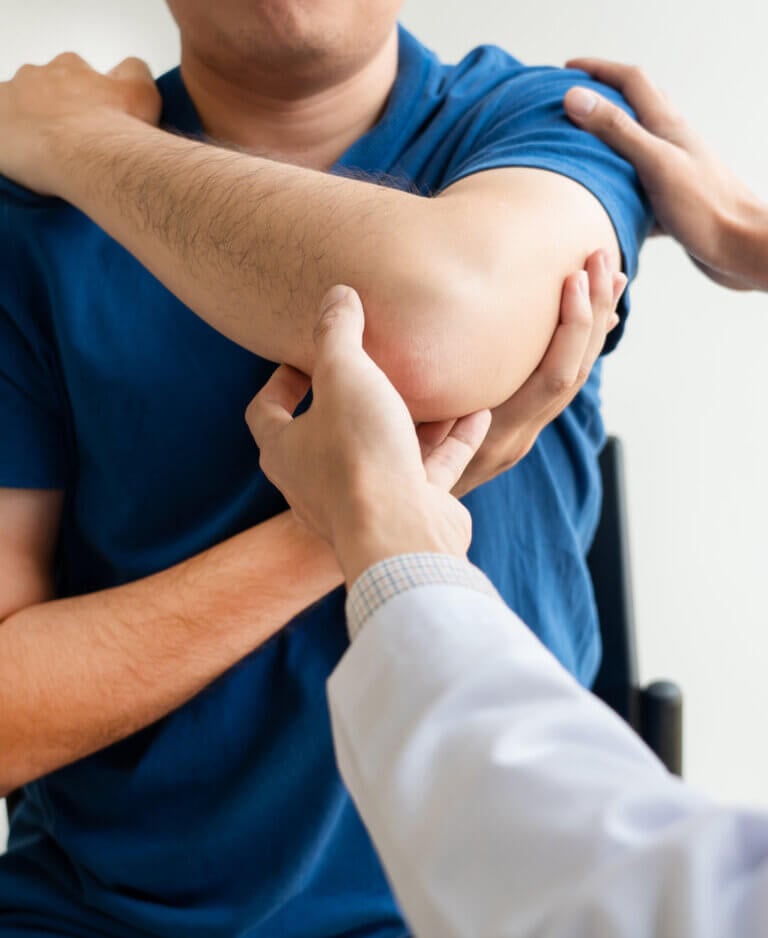
  • Neck and shoulder tension
  • Sciatica or nerve-related pain
  • Rib pain or discomfort as the body changes shape

Treatment focuses on reducing strain, improving movement, and helping the body adapt more comfortably to pregnancy.

Yes — osteopathy is often used to help manage pelvic girdle pain, including symphysis pubis dysfunction (SPD).

These conditions are usually linked to changes in joint stability, posture, and load through the pelvis. Treatment aims to improve how the pelvis and surrounding structures move and share load, helping to reduce discomfort and improve day-to-day function.

Your first appointment (typically 45–60 minutes) includes a detailed discussion of your symptoms, pregnancy stage, medical history, and any previous issues.

Stephen will then carry out a gentle physical assessment, which may include posture, movement, and areas of tension. Treatment can often begin in the same session, always adapted to ensure comfort and safety.

Treatment during pregnancy is always gentle and adapted to your stage of pregnancy.

It may include:

  • Soft tissue techniques to ease muscle tension
  • Gentle joint mobilisation
  • Postural advice and movement guidance
  • Supportive exercises for home

You will be positioned comfortably throughout (often side-lying or supported), and techniques are chosen to avoid unnecessary strain.

Yes — back pain and sciatica are very common during pregnancy due to changes in posture, ligament laxity, and pressure on nerves.

Osteopathy aims to reduce mechanical strain on the spine and pelvis, ease surrounding muscle tension, and improve movement patterns, which can help relieve these symptoms.

No — osteopathy can be appropriate at different stages of pregnancy.

Some patients attend early on to manage emerging discomfort, while others seek treatment later as physical strain increases. Treatment is always adapted depending on your stage and individual needs.

The number of sessions depends on your symptoms, stage of pregnancy, and how your body responds.

Some patients benefit from occasional treatment for symptom relief, while others choose more regular sessions to support comfort throughout pregnancy. Stephen will discuss a plan tailored to your needs after your initial consultation.

Yes — as pregnancy progresses, changes in posture and weight distribution can place additional strain on the spine, pelvis, and surrounding muscles.

Osteopathy aims to improve how the body adapts to these changes, helping reduce unnecessary tension and supporting more comfortable movement.

Osteopathy may help support overall comfort and musculoskeletal function in people with conditions such as PCOS or endometriosis, particularly where these contribute to pelvic or lower back discomfort.

However, these are complex medical conditions, and osteopathy is typically used as a supportive approach alongside appropriate medical care rather than as a primary treatment.

Stephen Sacks Osteopathy offers pregnancy-focused treatment at two London locations:

  • Harley Street — central London
  • Highgate — North London

Both clinics provide a calm, professional environment, and you can choose whichever location is most convenient during your pregnancy.

You may want to consider osteopathy if you are experiencing:

  • Persistent back, pelvic, or hip pain
  • Difficulty walking, turning in bed, or daily movement
  • Increasing discomfort as pregnancy progresses
  • Symptoms that are affecting sleep or daily activities

Early assessment can help manage symptoms before they become more limiting.