Osteopathy for Tennis Elbow —
Harley Street & Highgate London

Written by Stephen Sacks – Medically reviewed by Stephen Sacks – Last updated December 19, 2025

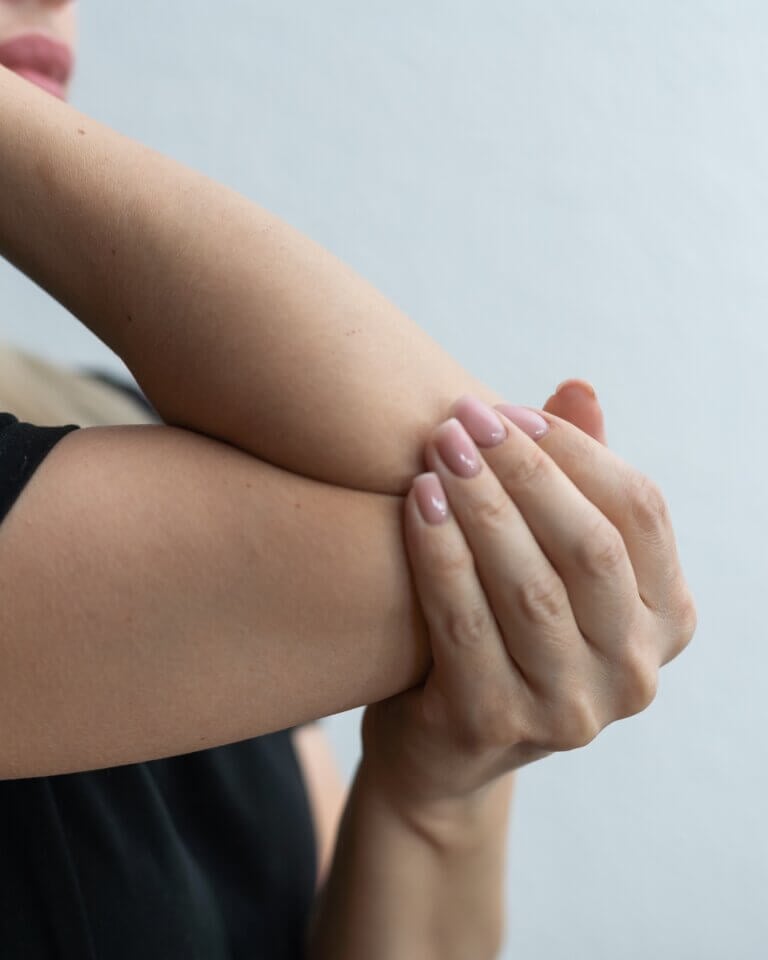
Tennis Elbow is one of most common upper limb conditions but is not exclusive to tennis players. It is a pain on the lateral elbow, worsened by wrist and finger extension, (such as typing), and gripping activities.

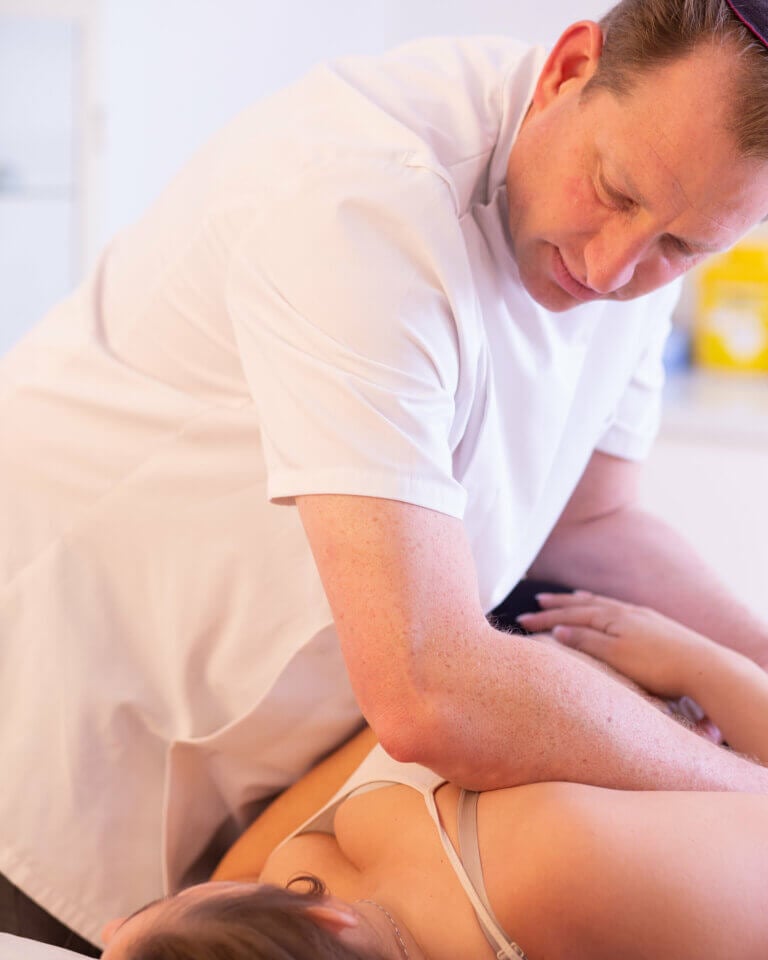
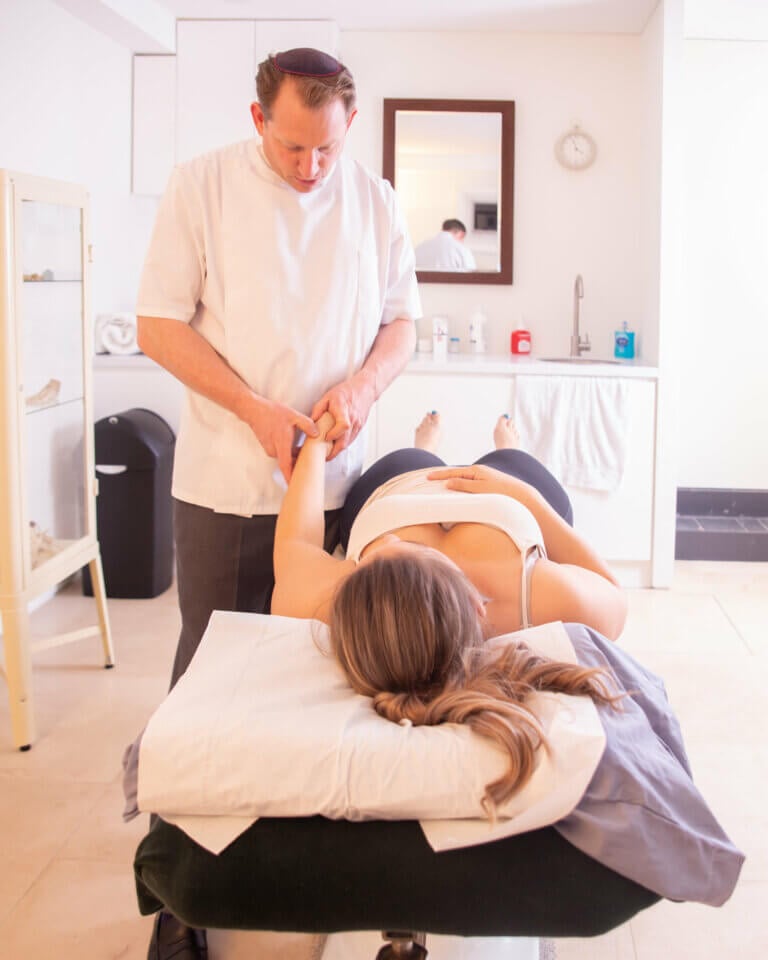
Tennis Elbow is notoriously difficult to treat so I use a variety of techniques to optimise recovery. I have found that acupuncture, soft-tissue techniques, osteopathic techniques, exercise, taping and ergonomic changes work well, especially when used in combination.

There is nothing which brings the surgical profession into greater discredit at the present time than the inability to cure a ‘tennis elbow’. The condition is extremely common, and so helpless have we been in the treatment that most sufferers now never consider consulting a medical man at all!

One way in which the medical approach to tennis elbow has changed since it was first mentioned in 1882 is that it is no longer called ‘lawn tennis elbow’! Other than this, not much has changed in what the allopathic medic can offer. Indeed, a meta-analysis of 185 papers on how best to treat this condition between 1966 and 1992 was carried out and the authors concluded that there was no evidence to support any single treatment option! Of course, this comes down to academic and scientific postulating and not real individual patient response, but it nonetheless highlights the difficulties with this constant source of pain.
Please feel free to contact me in Harley Street or Highgate to discuss your back pain.

So what is tennis elbow?

Tennis elbow is one of the most common upper limb conditions, affecting 5 to 7 people per 1000 a year. Funnily enough, most don’t play tennis. One normally has pain on the lateral elbow and it’s made worst by wrist and finger extension and gripping activities. (Typing this doesn’t help!)

Many will have tried analgesia, epicondyle clasps, injections and (hopefully not) surgery, amongst many other modalities.

Comprehensive tennis elbow treatment

Well, I throw everything in the book at it! I find that acupuncture, dry needling, soft tissue techniques, osteopathic techniques, exercises and taping as well as ergonomic changes all work well. I use everything in my arsenal and the vast majority of my patients get better. There have been one or two that got away, but a formula of “throw everything at it” definitely seems to bring success.

Of course I also always keep on top of the latest research and replenish my techniques with new ones, where they are proven to help.

There is one good thing to say for tennis elbow though: it is easier to treat than golfer’s elbow!

Watch this clip for good tennis elbow exercises:

Tennis Elbow Osteopathy FAQs

Osteopathy is a hands-on, holistic approach to treating musculoskeletal pain by improving the way joints, muscles, tendons, and connective tissues work together.

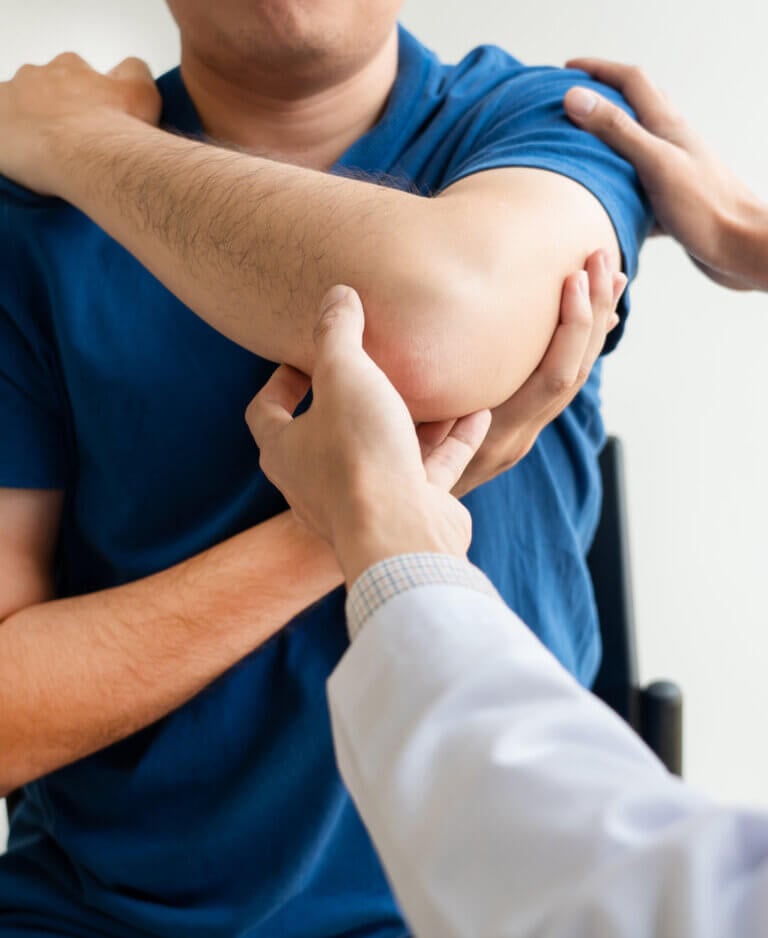
For tennis elbow (lateral epicondylitis), an osteopath like Stephen Sacks looks beyond the painful area at the elbow itself. Treatment may involve assessing the forearm, wrist, shoulder, neck, posture, and movement patterns that contribute to strain on the elbow tendon. By addressing underlying mechanical causes, osteopathy can help reduce pain, support healing, and restore normal arm function.

No — despite the name, tennis elbow is very common in people who don’t play tennis at all.

Tennis elbow is an overuse injury affecting the tendons on the outside of the elbow, often caused by repetitive gripping, lifting, typing, DIY, gym training, or manual work. It can affect office workers, tradespeople, musicians, and athletes alike.

An osteopathic assessment helps identify why the tendon has become overloaded and what needs to change to allow recovery.

People commonly seek osteopathic treatment for tennis elbow when experiencing:

  • Pain or tenderness on the outside of the elbow
  • Pain when gripping, lifting, shaking hands, or turning objects
  • Weakness in the forearm or hand
  • Ache spreading into the forearm or wrist
  • Symptoms that persist despite rest

Osteopathy aims to reduce pain, improve tendon loading tolerance, and restore comfortable everyday movement.

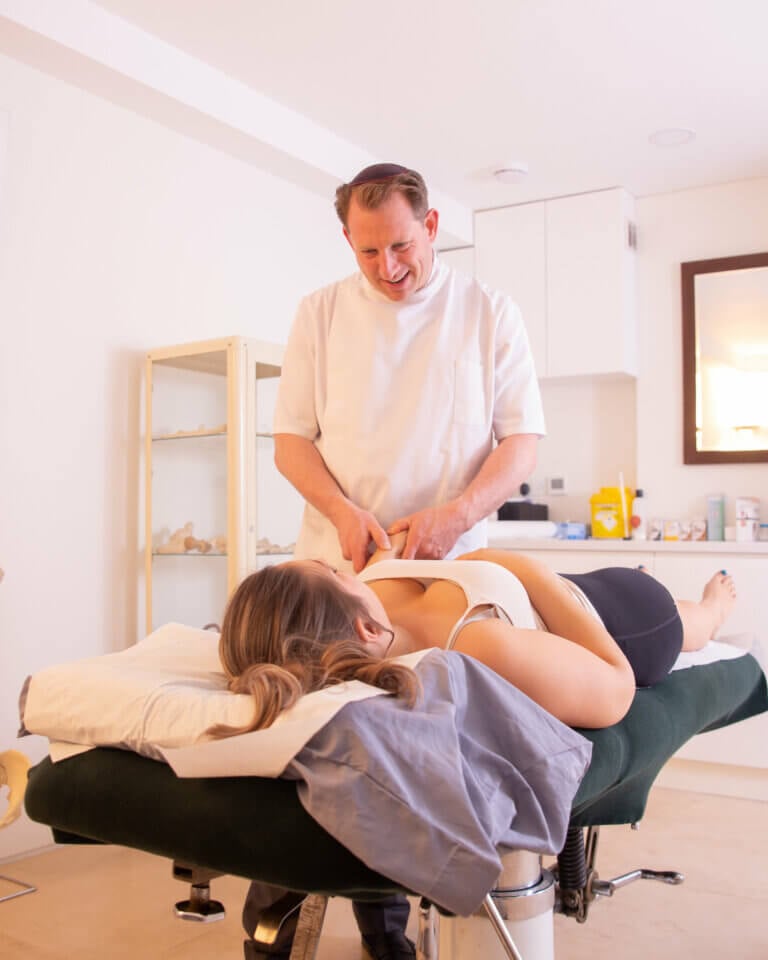
Your first consultation typically lasts around 45–60 minutes. Stephen will take a detailed case history, including how your elbow pain started, your work or sporting activities, and any previous treatment.

A physical examination will follow, assessing:

  • The elbow, forearm, and wrist
  • Shoulder and neck movement
  • Grip strength and functional movements
  • Posture and arm mechanics

You may be asked to remove some clothing around the arm for examination — privacy, comfort, and consent are always respected.

Treatment is tailored to your specific presentation and may include:

  • Soft tissue techniques to ease tension in forearm muscles
  • Joint mobilisation of the elbow, wrist, shoulder, or neck
  • Dry needling or other adjunct techniques where appropriate
  • Advice on activity modification and tendon loading
  • Home exercises to support recovery and prevent recurrence

The aim is not just symptom relief, but addressing contributing factors to reduce the chance of the problem returning.

The number of sessions varies depending on:

  • How long the symptoms have been present
  • Severity of the tendon irritation
  • Work, sport, or lifestyle demands

Some patients notice improvement within a few sessions, while longer-standing cases may require a more gradual approach. After your initial assessment, Stephen will discuss a realistic treatment plan and review progress regularly.

Yes — osteopathy can be particularly useful for chronic or recurring tennis elbow, especially when rest alone hasn’t resolved the problem.

Long-term cases often involve contributing factors such as shoulder weakness, neck stiffness, poor biomechanics, or repeated overload. Addressing these wider issues can help manage symptoms and improve long-term outcomes, even when the condition has been present for months.

No — you do not need a GP referral to book a private osteopathy appointment.

If you have private health insurance, many providers cover osteopathic treatment. You may wish to check your policy details before booking.

If symptoms suggest a more serious condition or require imaging or medical input, Stephen can advise appropriately.

Stephen Sacks Osteopathy operates from two London locations:

  • Harley Street clinic: 104 Harley Street, London W1G 7HN
  • Highgate clinic: Pond Square Health Clinic, 18a Pond Square, London N6 6BA

You can choose whichever location is most convenient — both are suitable for assessment and treatment of tennis elbow.

It’s worth seeking assessment if:

  • Elbow pain has lasted more than a few weeks
  • Symptoms are affecting work, sport, or daily activities
  • Pain is worsening or returning repeatedly
  • Rest alone hasn’t helped

Early assessment can help prevent the problem becoming long-term or leading to compensatory issues in the shoulder, neck, or opposite arm.