
Osteopathy for Headaches —
Harley Street & Highgate London

Written by Stephen Sacks – Medically reviewed by Stephen Sacks – Last updated January 27, 2026

Headaches can be caused by a number of factors, including; stress, head posture and carriage, menstrual cycle, neck strains and injury. Osteopathic treatment should be able to stop or at least ease the majority of headaches.

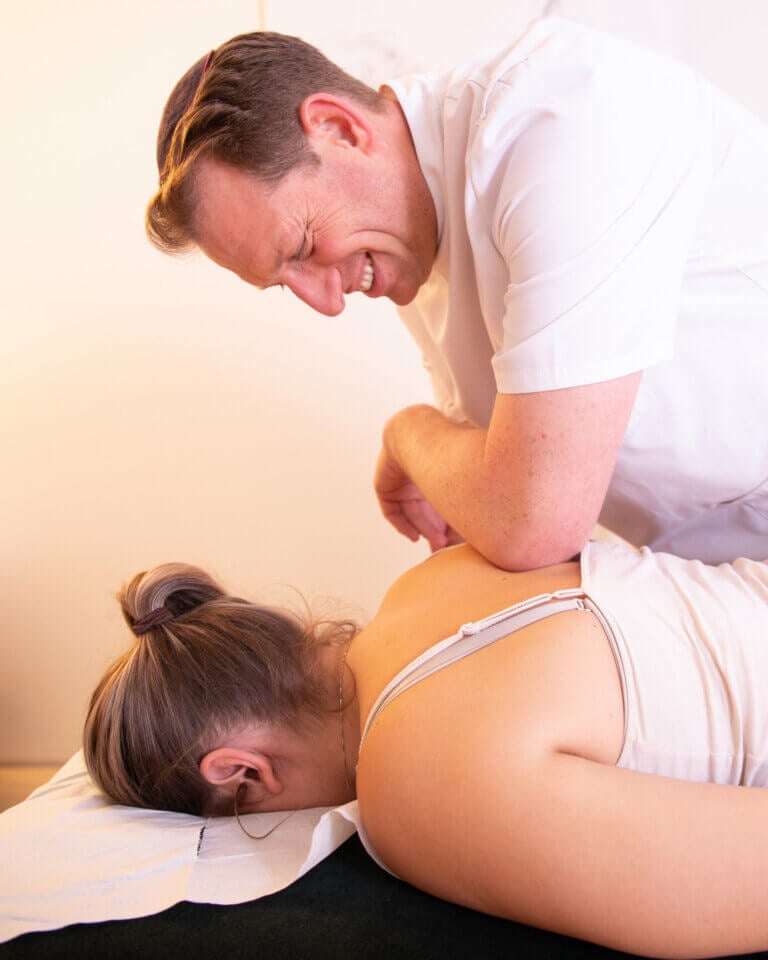
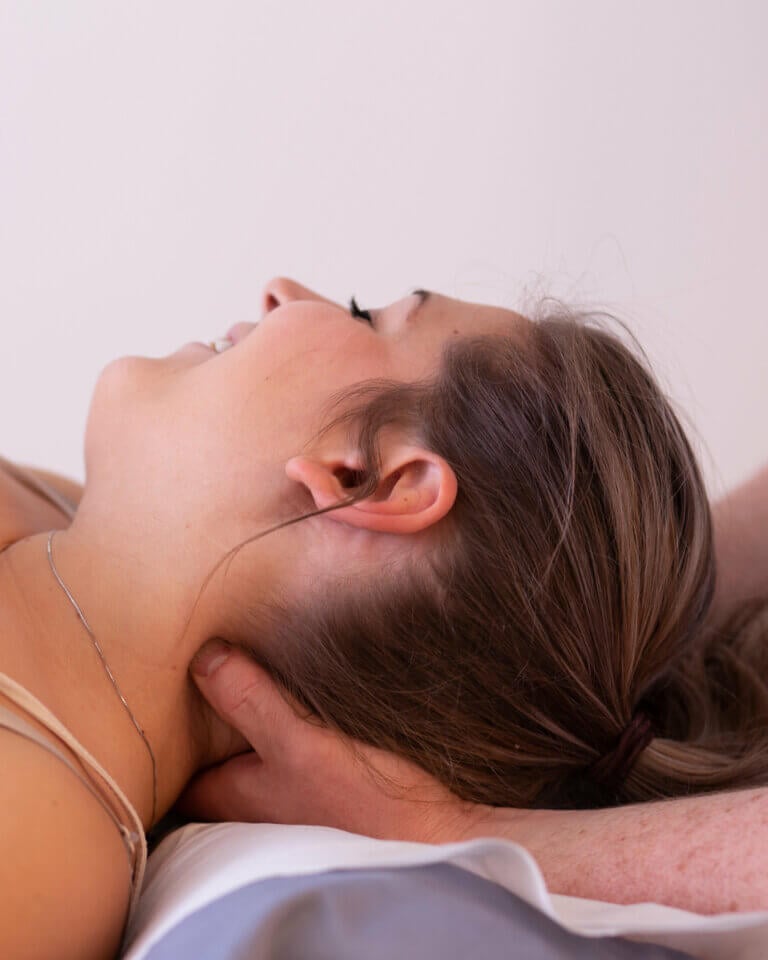
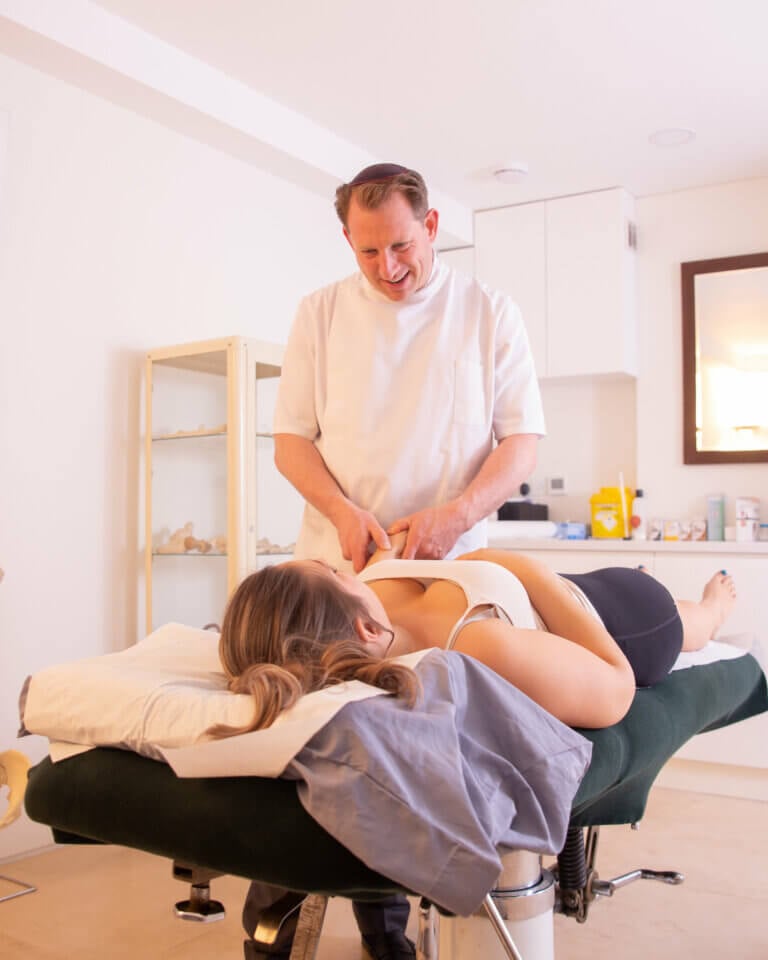
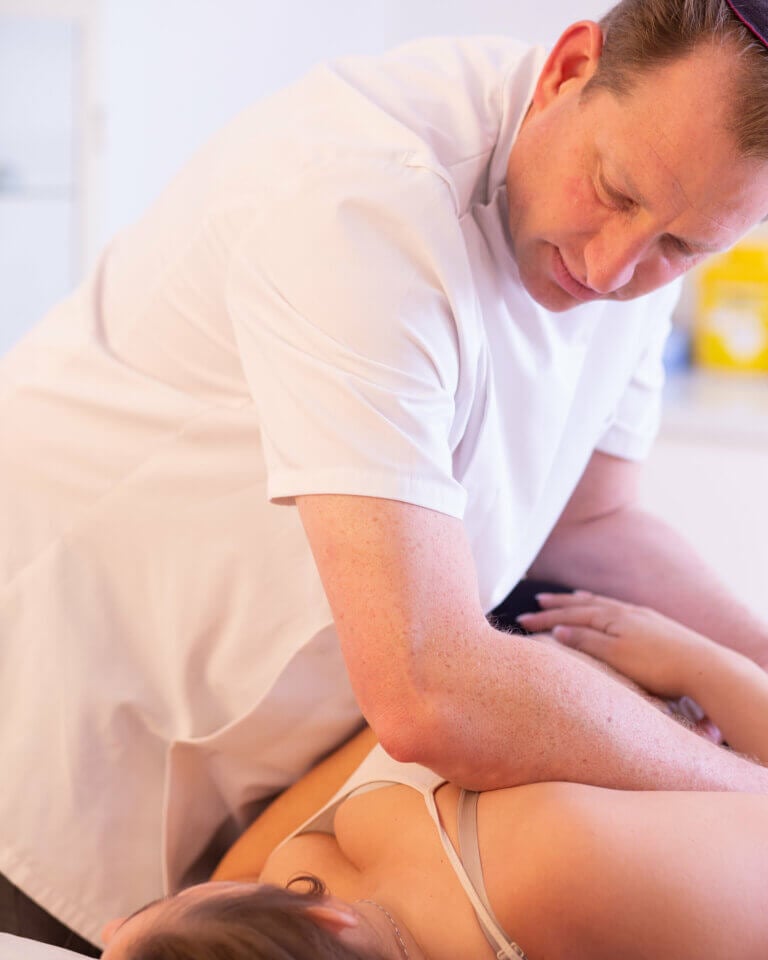
Treatment will often consist of muscular release using combinations of osteopathic techniques, cranial techniques, trigger-point dry-needling, safe adjustments and/or manipulations, exercises and tapings.

(Please be advised that in the instance of recurring headache or migraines, it might also be sensible to discuss symptoms with your GP.)

Having searched on my online journal library (thanks, Lee P!), there are 91,361 recent academic articles on headaches. So one could talk for ages about them. But clinically and osteopathically, at least in ‘my hands’, I think it can be whittled down a little more.

There are those headaches that can be helped by hands and those that are more difficult. Thankfully, in my experience, most can be helped. This may, however, be due to the fact that we may not get to see the most ‘neurologically severe’ types in an average clinic setting. Nonetheless we do still get challenges that stump others.

Please feel free to contact me in Harley Street or Highgate to discuss your headaches.

Migraine or headache?

I think it stands to reason that if cheese or chocolate trigger a migraine, it makes sense to not eat them. This is not something that an osteopath can necessarily help with (besides offering naturopathic dietary advice), except to state the obvious. But so often, we mistake migraines for cervicogenic headaches – those that come from the neck area.

Many migraines are unilateral, meaning that they are felt above or ‘in’ one eye. When this sensation occurs, perhaps together with throbbing and blinding, we assume it has to be a migraine – but it does not have to be.

It is much more common to get unilateral headaches with similar symptoms to migraine from overlapping myofascial trigger points (glorified ‘knots’) in muscles called the posterior cervical triangle.  When these trigger points act up, they commonly cause headaches. You will know quite clearly if your headache has its origins in your neck and this pattern will make sense to you.

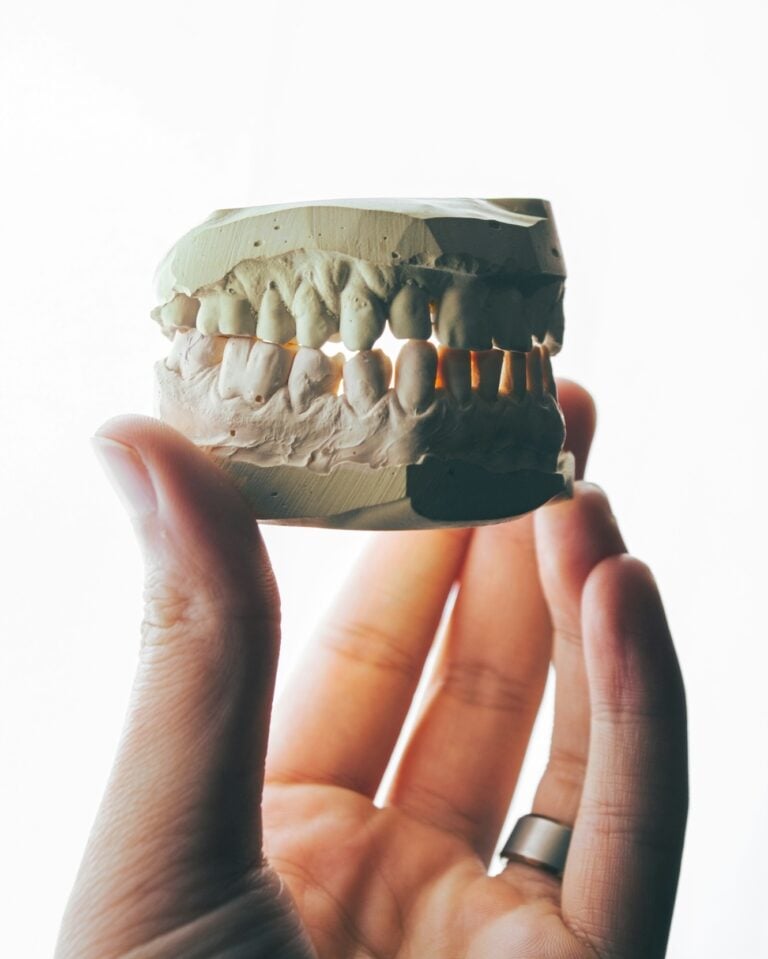
Stress, head posture and head carriage, neck strains and injuries can cause headaches. Of course, there are headaches that need to be looked at very carefully to rule out anything beyond the musculo-skeletal or osteopathic. You may need to see your optometrist or dentist or certainly your GP. But there should be no reason why osteopathic treatment should not be able to stop or at least ease the majority of headaches. Even triggers such as menstrual cycle and foods can set off the same muscular effects, causing headache, and the treatment will often be the same.

Treatment often consists of muscular release by osteopathic techniques including cranial techniques, trigger-point dry needling, safe adjustments or manipulations, exercises and taping – but most likely all of the above!

As a headache sufferer myself, I understand the tediousness and pain of headaches. I was even once admitted to A&E shortly after I got married for what was thought to be a ‘thunderclap’ headache, possibly due to a TIA or mini-stroke. This was not marriage related! However, my headaches have more than halved over the years and I am convinced that attempted self-treatment and exercises have helped with this.

I see no reason why most headaches cannot be sorted osteopathically and I am happy to say that my treatments have worked very well for my patients. Now, if only I could treat myself!

FAQs – Osteopathy for Headaches (Harley Street & Highgate)

Osteopathy is a hands-on approach to healthcare that focuses on how the body’s structure affects its function. When headaches are linked to muscle tension, joint stiffness, posture or neck problems, osteopathic treatment may help by reducing tension, improving movement and supporting better overall biomechanics.

Osteopathy is commonly used to help people with:

  • Tension-type headaches (TTH)
  • Cervicogenic headaches (headaches originating from the neck)
  • Some migraine sufferers, where musculoskeletal factors such as neck tension, posture or stress play a role

Your osteopath will assess whether your headache pattern is likely to respond to treatment.

Tension-type headaches are often described as a dull, tight or pressing pain around the head or forehead. They are commonly associated with muscle tension in the neck, shoulders and upper back, stress, prolonged screen use or poor posture — all areas osteopathy can address.

A cervicogenic headache is caused by dysfunction in the neck (cervical spine). Pain is often felt on one side of the head and may be aggravated by neck movement or sustained postures. Osteopathic treatment focuses on improving neck mobility, muscle balance and posture.

Migraines are complex neurological conditions, but osteopathy may help some people by addressing musculoskeletal triggers such as neck stiffness, muscle tension and postural strain. Treatment may help reduce the frequency or intensity of attacks, although osteopathy does not replace medical care for migraines.

During your initial consultation, your osteopath will take a detailed history and assess posture, movement, neck function and potential triggers. If your headaches appear to be linked to musculoskeletal factors, osteopathic treatment may be appropriate. If symptoms suggest another cause, referral to your GP or a specialist may be recommended.

Your first appointment includes:

  • A full case history
  • Physical examination of posture, neck and spine
  • Discussion of headache patterns and triggers

Treatment may begin at the first visit and may be combined with advice on posture, exercises and lifestyle factors.

Treatment is tailored to the individual and may include:

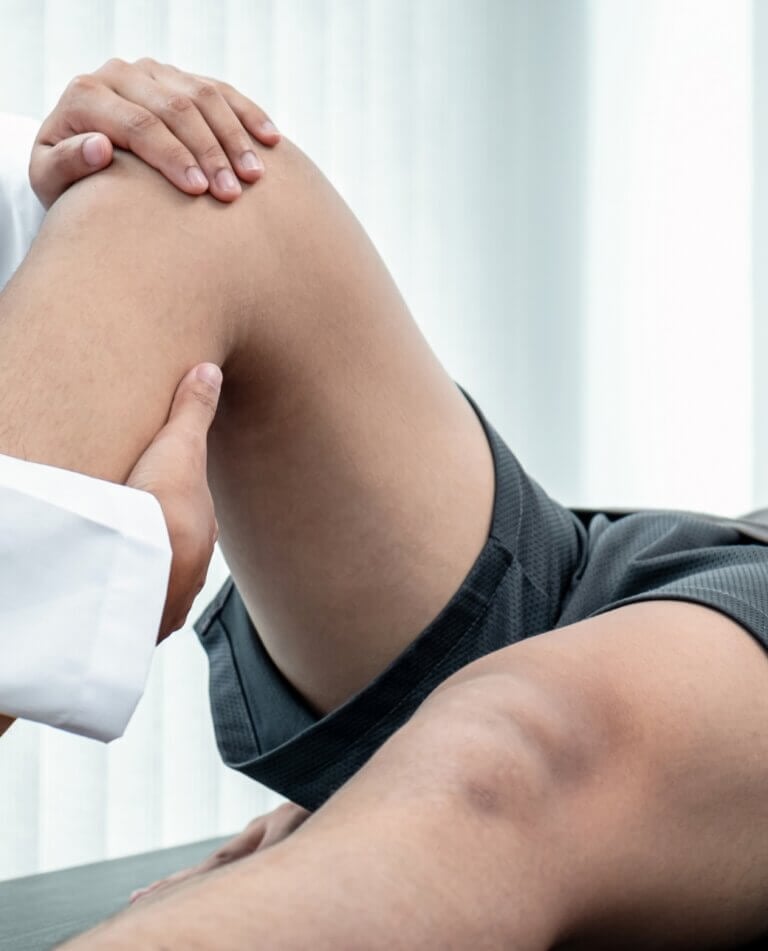
  • Soft tissue and myofascial techniques
  • Joint mobilisation or gentle manipulation
  • Cranial osteopathic techniques
  • Trigger point dry needling (where appropriate)
  • Postural and exercise advice

The number of sessions varies depending on the type of headache, how long symptoms have been present and contributing factors such as posture or stress. Some patients notice improvement after a few sessions, while others benefit from a short course of treatment with self-management advice.

Yes, osteopathy can be helpful for people with chronic or recurrent headaches, particularly when ongoing tension, postural habits or neck problems are contributing factors. Treatment often focuses on both symptom relief and preventing recurrence.

No, you do not usually need a GP referral to see a registered osteopath. However, if you have unusual, severe or worsening symptoms, it may be appropriate to consult your GP alongside osteopathic care.

Osteopathy is generally very safe when provided by a registered osteopath. Some people may experience mild soreness or fatigue after treatment, which usually settles within a day or two. Your osteopath will always tailor treatment to your comfort and medical history.

Stephen Sachs provides osteopathic treatment for headaches at:

  • Harley Street, London W1
  • Highgate, North London (N6)

Both clinics offer convenient access for patients seeking specialist osteopathic care.