
Osteopathy for Frozen Shoulder in London

Written by Stephen Sacks – Medically reviewed by Stephen Sacks – Last updated December 1, 2025

Frozen shoulder, or adhesive capsulitis of the shoulder, is a debilitating condition affecting mainly 45–65 year olds. It causes the shoulder capsule, the joint that connects the upper arm bone to the shoulder blade, to become inflamed and sensitive, causing pain and limiting the arm’s range of motion.

It is truly one of the most miserable joint conditions: painful, poorly understood, and often little appreciated by the sufferer’s peers. My heart goes out to the poor individuals who get a frozen shoulder; however, all is not lost! 

Contrary to what many sites on the internet claim, a frozen shoulder does not necessarily mean three years of pain and suffering. Frozen shoulder responds well to osteopathic treatments, which in most cases bring near-immediate pain relief and mobility improvements. You neither have to accept that surgery is the only effective treatment for a frozen shoulder, nor that it means swallowing hands full of prescription painkillers to get through the day. 

While a single definitive cause of frozen shoulder has not been identified, several factors increase the risk of developing this condition in a lifetime. The most common risk factors for frozen shoulder include:

  • Diabetes and other systemic diseases
  • Over- and underactive thyroid functioning
  • Shoulder injury or surgery
  • Immobility or reduced mobility over time
  • Being female and more than 40 years old

Regardless of what caused your particular case of adhesive capsulitis of the shoulder, I’m confident that as few as one or two osteopathy sessions will help bring much-needed pain relief and improved quality of life. 

Please feel free to contact me in Harley Street or Highgate to discuss your frozen shoulder.
What is a frozen shoulder?

What does a frozen shoulder feel like?

In the absence of active treatment, adhesive capsulitis of the shoulder typically goes through three stages, each lasting anywhere from a few months to a few years, depending on various circumstances. Each stage has its own defining characteristics:

Stage 1: Freezing

The freezing stage, usually the most painful, develops from the first sign that something is wrong to a peak intensity over a period ranging anywhere from 2 months up to almost a year. This stage is progressive, meaning the pain, discomfort, and mobility problems gradually increase in intensity.

The earliest symptoms of frozen shoulder include dull pains in the shoulder when at rest and sharp pain when performing specific activities that require a wide arch of movement in the shoulder, such as unloading a washing machine, washing your back, etc. Rolling onto that shoulder at night may cause enough discomfort to wake you up. In the earliest stages, non-prescription analgesics might offer some relief, but as the condition develops, they become less and less effective. 

Over the coming months, patients experience worsening pain and reduced mobility, further interfering with life, sleep, and even emotional stability. Individuals who take compensatory measures such as leaning to one side might cause secondary issues such as muscle strain. 

Stage 2: Frozen

After reaching peak intensity, the pain slowly starts to diminish. While the condition slowly becomes less painful, the frozen or adhesive stage of adhesive capsulitis is characterised by extreme stiffness in the shoulder, so much so that it can make everyday tasks such as opening a door, getting dressed, sleeping, and using a computer extremely difficult and uncomfortable. 

At peak stiffness, the shoulder might almost become locked in place, or frozen. During this period, your movement becomes ‘capsular’, meaning that the upper arm and shoulder blade move as one: as if the shoulder were hitched. Although no longer painful when at rest, any movement could result in a sudden and sharp pain. This stage can last for anywhere from 4 to 12 months. 

Stage 3: Thawing

The thawing or recovery stage of frozen shoulder can last anywhere from as few as 5 months up to 26 months. During this time, the shoulder joint becomes increasingly mobile, pain-free, and stronger. It becomes less bothersome at night, and everyday tasks progressively seem easier to accomplish than yesterday.

In 1934, Codman, who first coined the term ‘Frozen Shoulder’, stated that:

“This is a condition which comes on slowly with pain over the deltoid insertion: inability to sleep, painful, and incomplete elevation and external rotation. The restriction of movement being both active and passive, the pain being very trying, and yet all patients are able to continue their daily habits and routines,” and that it is “difficult to define, difficult to treat, and difficult to explain from the point of view of pathology.”

Finding treatment for a frozen shoulder

In all honesty, effective and lasting treatment for a frozen shoulder can be tricky. As a health practitioner who puts my patients’ needs first, I have no problem highlighting the effective treatments that other professionals can bring. However, in the specific case of adhesive capsulitis, I strongly believe that regular osteopathic treatment is the single best course of treatment.

While physical therapy from a physio might help with many of the conditions osteopaths also treat, they heavily rely on strength-building exercises and movements that might be too painful for frozen shoulder patients. Certain surgeries have been shown to bring pain relief to some patients, but this is an exceptionally aggressive route of treatment for a condition that more often than not resolves itself after some time. GPs might prescribe painkillers that provide some immediate relief, but this comes with its own risks of dependency while still not resolving the issue.

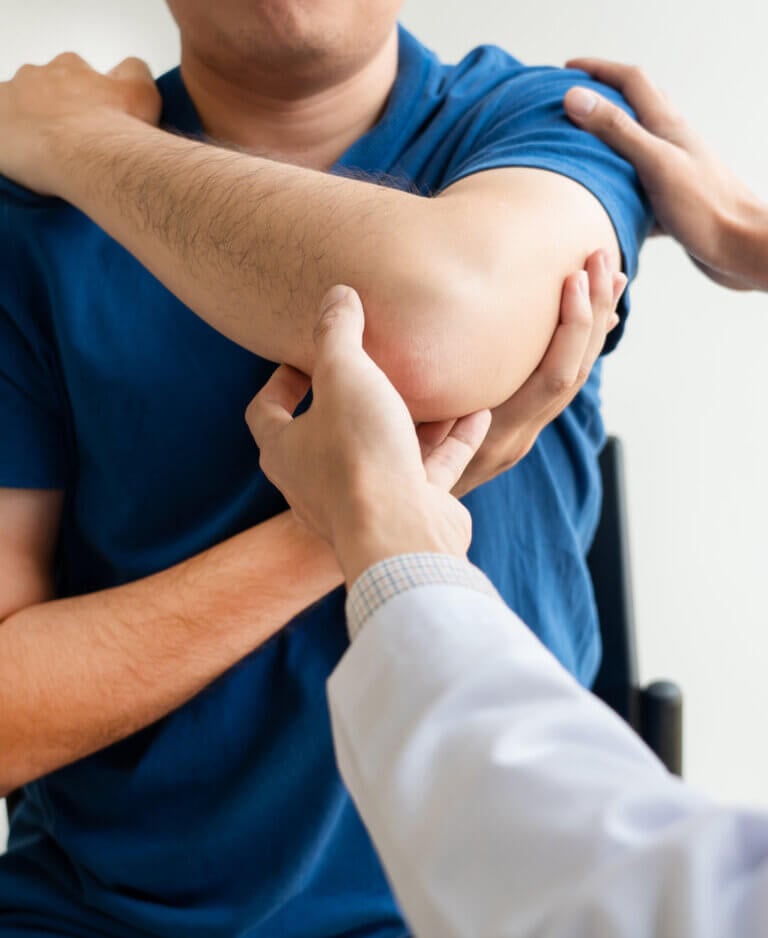
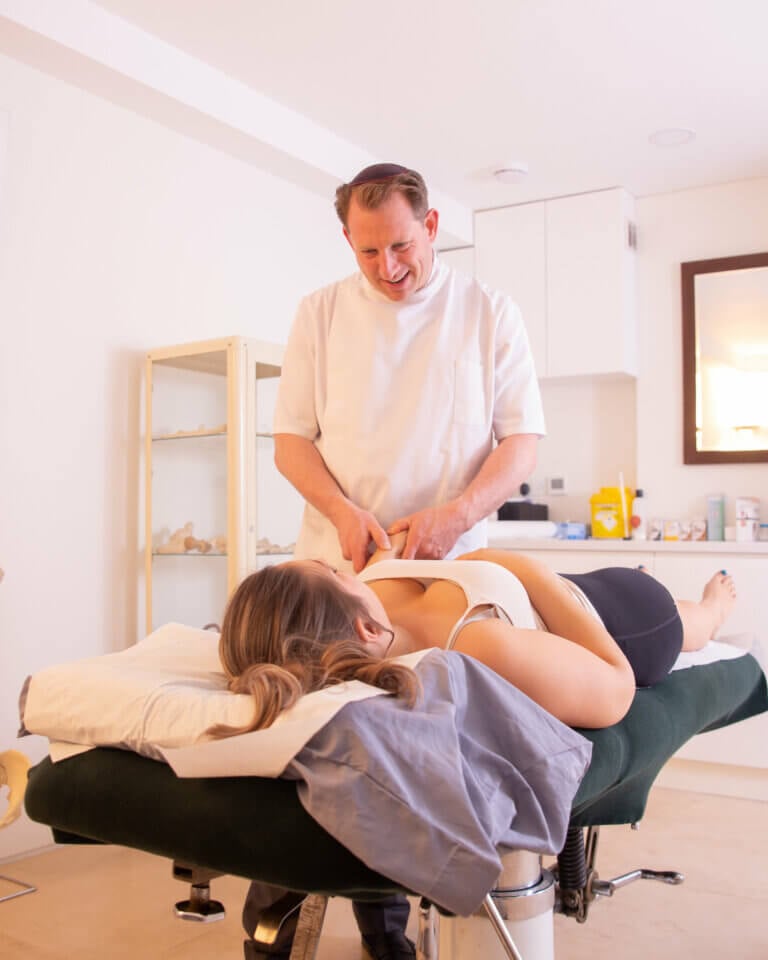
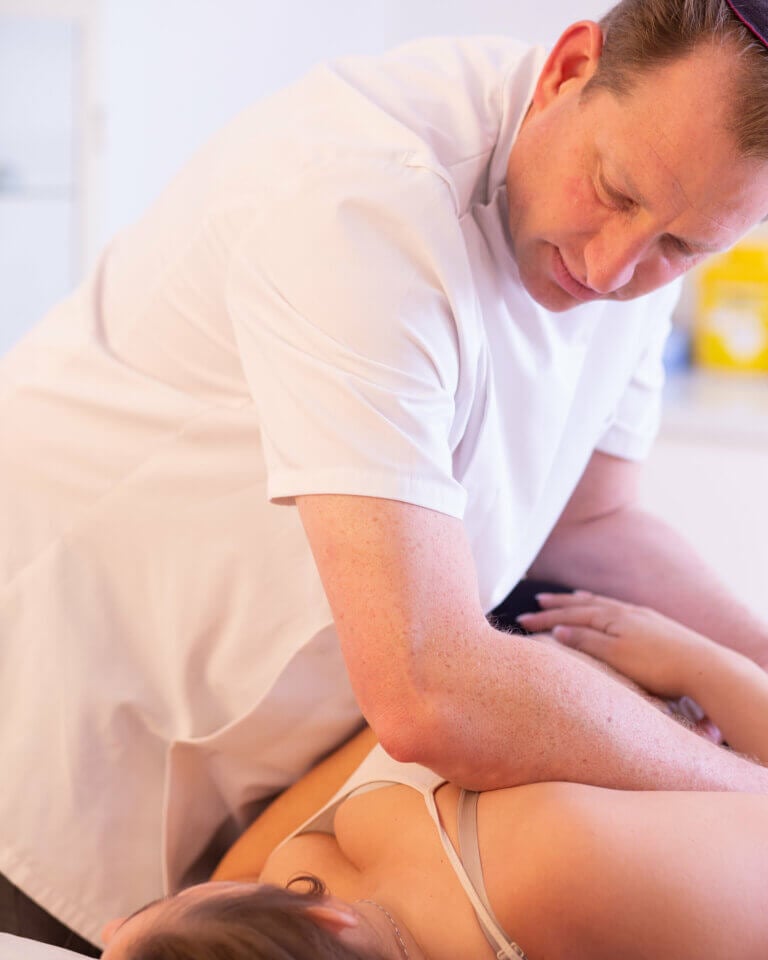
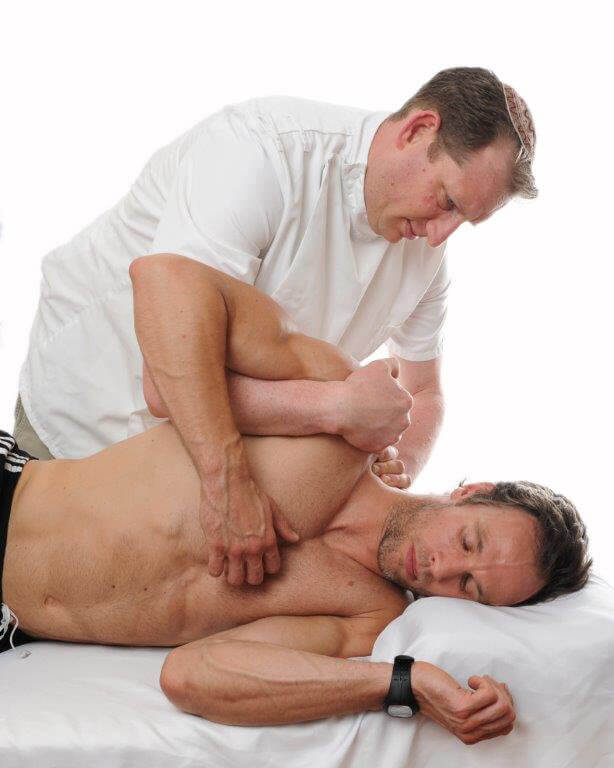
Osteopaths, on the other hand, make use of hands-on therapy, manipulation, acupuncture, electrotherapy, and various other techniques to improve blood flow to the affected area and reduce inflammation. This not only helps to reduce pain and increase mobility but can actually help slow down the progression of a frozen shoulder and lower its peak intensity.

Nobody can halt the development of a frozen shoulder; however, osteopaths can provide safe and effective pain management, mobility improvements, and a faster return to normal. 

An expert’s opinion: Why is a frozen shoulder so difficult to live with?

Firstly, one of the most difficult aspects of living with a frozen shoulder is that no one appreciates your pain. You look normal, you are otherwise healthy, and your arm is still attached, so you get limited sympathy from others who might expect you to live life normally. This is not only the case with our work colleagues, but often with our friends, family, and even some doctors.

Being told that you will have to bear this pain for another 2 to 3 years is also just a little unsympathetic. Painkillers don’t touch the pain. Often, physiotherapy can make it worse, and some surgeons either don’t want to cut or do want to cut—which is worse?!

In my years as a practitioner, I’ve heard so many times, “I have given natural birth to numerous children without painkillers; no pain can touch that”. Well, people with frozen shoulders disagree!

Stephen Sacks Osteopathy for Frozen Shoulder

I started working with Simeon Niel-Asher on his renowned frozen shoulder technique in 2008. At the London Frozen Shoulder Clinic, we saw hundreds of clients with frozen shoulders every year and I can conclusively say that the technique works. Patients usually find that pain is mostly gone after 4 or so sessions, and functional range returns after about 10 sessions. Of course, some do better and some don’t do as well; there are always caveats. 

Like all things, once you’ve built up enough experience in a particular area, you not only become aware of most variations, but you also adapt your way of approaching them. I continue to work along the same lines as Simeon—and indeed, I still work closely with him—but I have also added some of my own techniques, including trigger-point acupuncture, to treat my patients.

Please reach out to me with any questions about diagnosing and treating a frozen shoulder using osteopathic techniques, or make an online booking for a consultation at either our Harley Street or Highgate practice.

Frozen shoulder FAQs

A frozen shoulder, or adhesive capsulitis, is a condition where the shoulder joint becomes stiff and painful due to possible inflammation and thickening of the joint capsule. This can make everyday movements—such as reaching overhead or behind the back—difficult and uncomfortable. At our Harley Street clinic, we specialise in osteopathic treatment to help restore mobility and reduce pain effectively.

The exact cause is often unknown, but risk factors include:

  • Diabetes or thyroid disorders
  • Previous shoulder injury or surgery
  • Prolonged immobility
  • Age over 50, particularly in women

If you live in London or nearby, early assessment at a Harley Street osteopathy clinic can help prevent progression and improve recovery outcomes.

Osteopathy aims to improve shoulder mobility, reduce pain, and restore function through a combination of:

  • Trigger point therapy
  • Dry needling
  • Targeted stretching and strengthening exercises
  • Advice on posture and movement strategies

Treatment is highly individualised and carried out at our Harley Street London clinic, ensuring a professional and private environment.

The number of sessions varies depending on the stage of your frozen shoulder and your response to treatment. Many patients notice improvement within 3–6 sessions, but some may require a longer programme of up to 10 sessions. Your osteopath will provide a clear treatment plan tailored to your needs.

Surgery is rarely necessary. Most patients respond well to conservative measures. In a small number of cases, steroid, hydrodilatation injections or procedures under anaesthetic may be considered. Early intervention at a specialist London clinic often reduces the need for more invasive treatments.

Our Harley Street clinic offers a calm, professional environment with private treatment rooms. Sessions typically last 30 minutes and include a combination of hands-on techniques, exercises, and personalised advice. The focus is on long-term recovery and improving your quality of life.

Recovery can vary widely. With osteopathic treatment at our Harley Street clinic, many patients experience significant improvement within a few months, though full and complete recovery may take up to 2. Early treatment and regular sessions generally lead to faster and more complete outcomes.

If you experience shoulder stiffness or pain, it’s important to seek professional assessment. Booking an appointment at a Harley Street London osteopath allows for early diagnosis, tailored treatment, and guidance to regain mobility safely.